Medication management is an essential component of staying healthy, particularly among seniors, who often require multiple prescriptions every day. As people age, it may be difficult to remember the correct dose at the right time due to changes in memory, a complex schedule, or health conditions. This is why practical and reliable medication reminders for elderly adults have become essential tools for safer and more independent living.
Fortunately, modern reminder solutions range from simple routines to smart devices that are designed to make sure that one does not miss a dose and reduce confusion. Among these options, tools like the medication reminder cap from Meticap offer one of the easiest ways to support healthy routines, which do not require apps, complex technology, and much more.
The accuracy of medication is critical for adults, especially for chronic conditions such as high blood pressure, heart disease, diabetes, arthritis, or pain management. Missing a dose or accidentally taking it twice can affect their health more than many people realize.
The elderly adults are vulnerable to some common challenges, which include:
By using a proper reminder system, elderly people can avoid these risks, feel more confident, and stay more independent.
At times, the simplest strategies can be the most effective ones. These daily habits can create a consistent routine:
While these strategies support memory, many seniors benefit from physical visual reminder aids that provide additional structure, clarity and confidence.
Weekly or monthly pill organizers help seniors to sort their medications in advance. They come in different formats, such as:
These are especially helpful for elderly individuals who take multiple prescriptions. However, they do not prevent the problem of double-dosing or indicate when a dose was taken. That is where smarter, more dynamic solutions shine.
Timing reminders can go a long way for seniors who struggle with memory or follow a strict medication schedule. However, data proves that most people shut down after just a few cycles of technology beeps or electronic alerts.
These tools work well, but they rely on whether the older person can hear or listen to an alarm. Many older adults prefer something even more tangible and easier to check whenever they like.
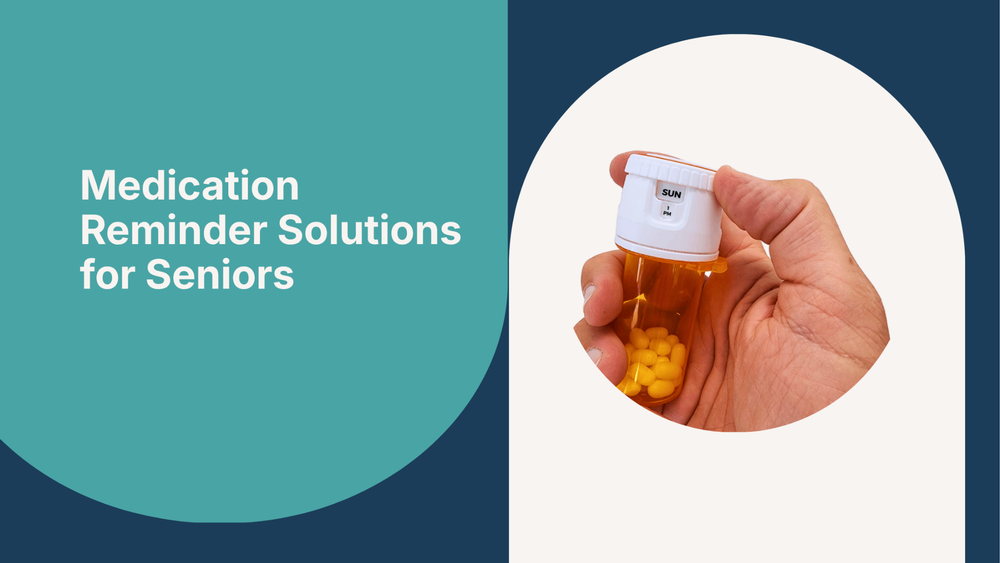
A medication reminder cap, like the one offered by Meticap, is one of the most intuitive reminder tools. These caps screw onto a 1-Clic® pharmacy bottle top and displays the day and time of the last dose taken or optionally, the next dose day and time.
How can it help seniors:
This visual display is especially useful for caregivers as well. It allows them to check at a glance whether they have given that medication or not, without frequently asking or guessing.
The reminder caps designed by Meticap are simple, clear, and reliable, which makes them one of the most effective medication reminders for elderly adults who prefer a simple, dependable solution.
Seniors can also be reminded of the time to take medicine by voice-activated devices. These tools offer:
However, not all seniors are comfortable with smart home technology. Some people require tools that do not need an internet connection or digital setup.
Caregivers often become part of the medication routine to provide assistance to seniors who need help.
Despite the presence of caregivers, having a reminder system, such as a medication reminder cap, can help reduce the mental burden on both the caregiver and the senior.
When selecting a reminder solution for yourself or a loved one, you can consider: